Symbols fall into empty spaces, matching images gather in groups and animated reels appear to turn behind a frame. Online slots present these events through software, yet the words describing them often come from the physical world. Water cascades, objects form clusters and material winds around reels. Those familiar references give readers a way to picture something happening on a screen.
This makes slot terminology an interesting example of language adapting to digital entertainment. Some terms describe visible arrangements quite directly, while others borrow an image to explain movement or behaviour. Looking at those differences reveals how a well-chosen word can make an unfamiliar feature easier to imagine, provided the comparison is followed by a clear explanation of the rules.
Familiar Images Give Technical Language a Starting Point
A new feature can be difficult to describe if every part of the explanation uses specialist vocabulary. A familiar image gives the reader somewhere to begin. Saying that symbols “tumble” suggests movement and rearrangement before the detailed sequence has been explained. The word creates an initial picture that can then be made more precise.
That first impression has limits. Different people may imagine tumbling in different ways, and the name does not explain which symbols move or when. A useful description therefore connects the image with an action: qualifying symbols disappear, other symbols shift and new ones fill the available spaces. The familiar word introduces the idea, while the explanation establishes its particular meaning.
Slot Catalogues Bring Several Kinds of Language Together
A game collection can contain words describing settings, layouts and additional functions within the same paragraph. “Ancient Egyptian” establishes a theme, while “cluster pays” concerns the recognition of symbol groups. “Cascading” describes a sequence that changes the playing area. Reading these terms as separate layers helps prevent an atmospheric description from being mistaken for a complete account of play.
The range of online slots at MrQ includes cascading reels, cluster pays and Megaways, as identified in its published overview. These labels introduce different aspects of slot design rather than interchangeable names for the same feature. Their variety provides a useful starting point for examining how physical images and technical terms work together in digital game descriptions.
The wording becomes clearer when each term answers a specific question. What does the playing area look like? Which arrangements qualify? What happens after a qualifying event? A description can use vivid language while still answering those questions accurately. Its creative character comes from the comparison, and its practical value comes from the detail that follows.
A Cascade Suggests Downward Movement and Continuation
Outside gaming, “cascade” commonly brings falling water to mind. It suggests a sequence moving from one level to another, with something following what came before. Applied to a slot, the word can help describe a playing area that changes after qualifying symbols are removed. New symbols arrive, and the game evaluates the resulting arrangement under its rules.
A simple comparison might describe the replacement symbols as falling “like beads settling into gaps”. That image makes the movement easier to picture, but it does not establish every condition of the feature. The sequence might end when no further qualifying combination appears, or involve additional rules. Those details need their own explanation rather than being inferred from the natural image.
Reels Preserve a Connection With Physical Machinery
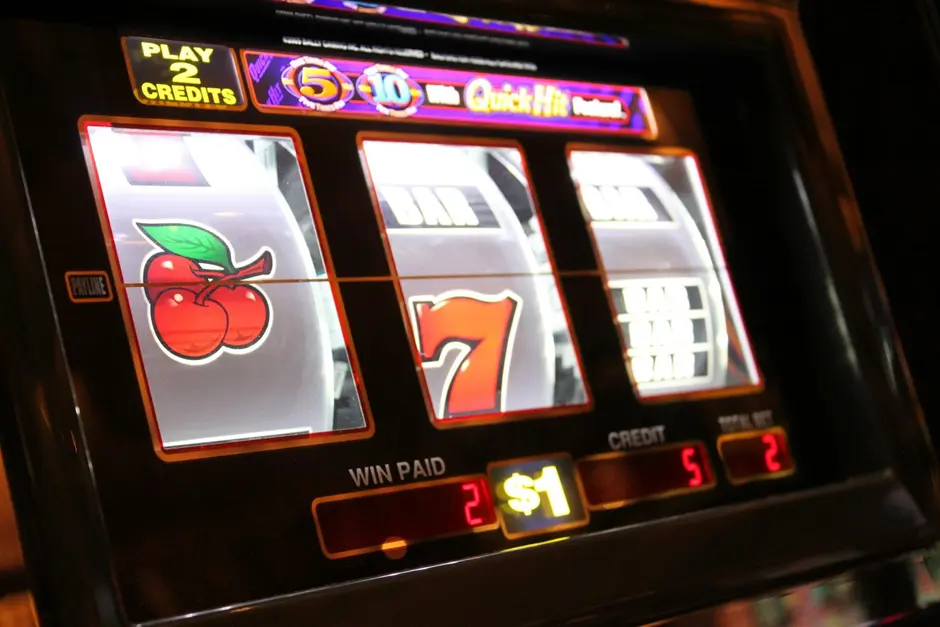
“Reel” gives a digital slot a connection with the rotating components associated with physical machines. On screen, the visible effect can suggest strips of symbols turning and stopping in columns. The word remains useful even though the display is produced digitally. It gives the arrangement a recognisable name without requiring the software to contain a physical rotating part.
This is a common pattern in digital language. A familiar object supplies a term that continues to work after the underlying technology changes. The label helps users orient themselves, while the actual operation belongs to the software and rules. Watching an animated reel stop does not reveal how a result was generated or make the next outcome predictable.
Comparisons Work by Connecting the Unfamiliar With the Familiar
ABC Education’s explanation of similes describes them as comparisons using “like” or “as” and highlights their connection with familiar ideas. That distinction is useful when discussing slot language. “Cascade” alone is a feature label borrowing an established word, while “the symbols fall like a waterfall” makes the comparison explicit.
Not every descriptive phrase is therefore a simile, and not every borrowed term needs to be treated as a fresh metaphor. Some expressions become ordinary specialist vocabulary through repeated use. A writer can still examine the image behind them, but the technical meaning needs to remain clear. Identifying the comparison is the beginning of an explanation rather than its conclusion.
Clusters Suggest Groups, but Rules Define the Connections
A cluster is an everyday way of describing things gathered together. The word can refer to people, buildings or objects, depending on context. In a slot description, it offers an immediate image of matching symbols forming a group. That makes the term approachable, even before the precise qualifying arrangement has been introduced.
The rules supply what the everyday meaning leaves open. They establish the minimum number of symbols and which connections count. A group that appears close together may not qualify if the required adjacency is missing. Describing a cluster as “like adjoining tiles” can help illustrate the idea, but it should be followed by the game’s actual conditions.
A Feature Name Can Describe Only Part of the Sequence
One reason slot descriptions need careful reading is that a title can combine several functions. MrQ’s Cluster Tumble page describes matching groups followed by a cascade of replacement symbols. This illustrates two distinct ideas operating together: the cluster identifies the qualifying arrangement, and the cascade describes the subsequent change to the screen.
A clear account follows that order instead of merging everything into one vague description. First explain what qualifies, then describe the resulting movement. Any multipliers, persistent symbols or other conditions require further information. Separating those steps allows the reader to enjoy the visual comparison while understanding which part of the game it actually explains.
Vivid Descriptions Need Sensible Boundaries
The most useful comparison highlights one relevant similarity. A waterfall can suggest downward movement, but water has no equivalent to a slot’s qualifying combinations or payout rules. Extending the comparison too far introduces confusion. A writer should recognise where the shared image ends and where the literal explanation needs to take over.
That boundary also matters when describing uncertainty. Words suggesting momentum or progress should not imply that a future result is becoming inevitable. A lively sequence can be entertaining to watch without providing evidence about the next outcome. Real-money slots carry a risk of loss, and understanding the terminology does not remove that uncertainty.
Slot language shows how ordinary words can acquire precise roles in a digital setting. Cascades suggest a sequence, reels provide a familiar structure and clusters introduce the idea of connected groups. Their images make the concepts easier to approach, while the rules establish what each one means in a particular game. Used together, vivid language and accurate explanation give readers both something to imagine and something concrete to understand.
Also Read
- CF Meaning in Text: What It Means in Chats, Social Media & Online Conversations (2026 Updated)
- 18+ Unique Similes for Life (2026) – Creative, Deep & Easy Examples
- TS Meaning in Text : Full Form, Uses, Examples & Social Media Trends (2026 Updated)