
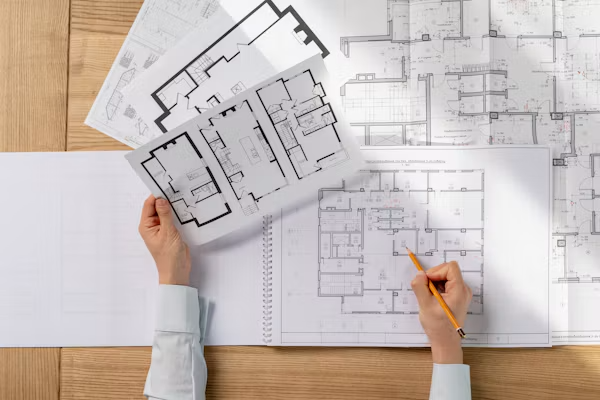
Building a custom home sounds exciting until you start making decisions. You might have a picture of the perfect kitchen, a spacious living room, or a beautiful outdoor entertaining area. But before any of that becomes reality, there’s a fair bit of planning to get through.
In Brisbane, building a home comes with its own considerations. From sloping blocks and narrow inner-city lots to Queensland’s hot summers and unpredictable storms, the choices you make early can affect how comfortable, practical, and expensive your finished home becomes.
The good news? A little preparation can save you plenty of headaches later. Here’s what deserves your attention before construction begins.
Start With the Land, Not the Floor Plan
It’s tempting to start browsing house designs before you’ve even settled on a block of land. After all, choosing a floor plan is much more enjoyable than reading property reports.
But your land should guide your design, not the other way around.
Brisbane has an interesting mix of property types. Some suburbs feature generous, relatively flat blocks, while others have steep slopes, narrow frontages, or established homes surrounded by mature trees.
Each situation presents different challenges.
A sloping block, for example, might require additional engineering, retaining walls, or specialised foundations. A narrow lot could limit your building footprint and influence where windows, garages, and outdoor spaces can go.
Before committing to a design, consider getting a contour survey and professional advice about the site’s conditions. Understanding the land early helps you avoid paying for plans that need major changes.
Think About How You’ll Actually Live
A beautiful house isn’t necessarily a practical one.
Imagine spending a significant amount on a large open-plan living area, only to discover that the afternoon sun makes it uncomfortable for several hours each day.
Or perhaps you’ve designed four bedrooms, but there’s nowhere quiet to take a work call.
These problems often happen because homeowners concentrate on how spaces look rather than how they’ll use them.
When planning your custom home, think about ordinary routines.
Where will you leave your shoes when you walk inside? Is the laundry close enough to the bedrooms? Can you supervise children playing outside while preparing dinner?
Small details like these might not look impressive on architectural drawings, but they make a noticeable difference once you’re living in the house.
It’s also sensible to think about future needs. A flexible room that works as an office today might become a guest bedroom later.
Design for Brisbane’s Climate
Brisbane’s subtropical climate should influence more than your choice of air conditioning.
Hot summers, humid weather, and periods of heavy rainfall mean your home needs thoughtful design to remain comfortable throughout the year.
Make Natural Ventilation a Priority
Good airflow can reduce your reliance on mechanical cooling when outdoor conditions are suitable.
Positioning windows to encourage cross-ventilation allows breezes to move through living spaces. Covered outdoor areas and appropriately placed openings can also make the home feel more connected to its surroundings.
However, ventilation works best when considered alongside insulation, shading, and the building’s overall layout.
Pay Attention to Sun Exposure
Large windows look wonderful in photographs, but poorly positioned glazing can introduce unwanted heat.
North-facing living areas can benefit from carefully designed shading that admits winter sunshine while limiting summer heat. West-facing windows often need particular attention because of the strong afternoon sun.
Discussing orientation with your designer before finalising the layout can prevent expensive adjustments later.
Choose a Builder Who Understands Your Site
Not every construction project requires the same expertise.
Building a straightforward single-storey home on a flat block is different from constructing an architecturally designed property on a steep site or replacing an ageing house in an established neighbourhood.
That’s why experience with your specific project matters.
When speaking with Home Building Experts in Brisbane, focus on their experience with comparable homes, how they handle site challenges, and how clearly they explain the construction process.
Ask to see completed projects that resemble what you’re planning. If your property has restricted access or an unusual shape, find out how they’ve managed similar situations.
Communication matters just as much as technical experience. You should know who will answer your questions, how progress updates are provided, and what happens when unexpected issues arise.
A builder who explains potential difficulties early is usually more helpful than someone who promises everything will be easy.
Understand What’s Included in the Building Quote
Two building quotes can look similar at first glance while covering very different things.
One might include landscaping, driveway construction, and upgraded fixtures. Another might leave those items out entirely.
This is where homeowners can get caught.
Before comparing prices, check exactly what’s included and what’s excluded. Pay particular attention to site preparation, electrical fittings, flooring, cabinetry, drainage, and external works.
You should also understand any provisional sums or allowances.
These are estimated amounts for work or products whose final costs haven’t been confirmed. If the actual expense exceeds the allowance, you may have to pay the difference.
It’s sensible to keep a contingency in your overall budget for unexpected costs, especially when dealing with older properties or difficult sites.
The cheapest initial quote isn’t always the cheapest finished home.
Don’t Overlook Approvals and Local Restrictions
Brisbane properties can be subject to planning requirements that affect what you’re allowed to build.
Depending on the location, you might encounter flood-related controls, character protections, vegetation restrictions, or specific requirements concerning building height and setbacks.
These can influence your design before construction even begins.
For example, demolishing an existing home isn’t always straightforward if the property is affected by character-related planning controls.
Similarly, building on land with flood constraints may require additional design considerations.
A qualified designer, building certifier, or planning professional can help establish which approvals apply to your particular project.
Getting this advice early is far less frustrating than discovering restrictions after you’ve paid for detailed drawings.
Spend Money Where It Makes Everyday Life Better
Custom home budgets rarely stretch to every feature on the wish list.
You might love the idea of expensive stone finishes, elaborate lighting, and oversized windows. But some upgrades deliver more practical value than others.
Good insulation, sensible room layouts, quality waterproofing, and adequate storage can improve your daily experience for years.
Decorative features are often easier to change later.
Consider prioritising the things that are difficult or costly to modify once construction is complete. Moving a structural wall, changing ceiling heights, or adding windows later can involve substantial work.
Changing paint colours or replacing light fittings is usually much simpler.
Give Yourself Time to Make Decisions
Rushing through the design stage often creates problems during construction.
Once building starts, even relatively small changes can affect costs, schedules, and the work of multiple trades.
Take time to review your plans carefully. Walk through the layout mentally and imagine using each room at different times of day.
Ask questions whenever something is unclear.
It’s far better to spend another week discussing a layout than to spend years wishing you’d moved a doorway or made the kitchen slightly larger.
A Better Home Begins With Better Planning
Building a custom home in Brisbane is a major commitment, but it doesn’t have to become an overwhelming experience.
The most successful projects begin with a clear understanding of the land, a realistic budget, a practical design, and a construction team suited to the job.
Don’t rush straight toward the exciting finishes and architectural features. Spend time getting the fundamentals right first.
Because when the building work is finished and the furniture is finally in place, what matters most isn’t how impressive the house looked on paper. It’s how well that home works for the people living inside it.
Read more: https://similesbook.com/a-new-way-to-create-with-digital-technology-using-an-ai-image-generator/
https://similesbook.com/what-responsible-slot-jackpot-hunting-actually-looks-like/



1 thought on “Building a Custom Home in Brisbane: What to Plan Before You Start”