Dental implants are a popular solution for replacing missing teeth because they can restore the appearance and function of a natural smile. However, one of the most common questions patients ask before starting treatment is how long the entire process will take. Unlike some dental procedures that can be completed in a single appointment, dental implants usually require several stages. These include the initial consultation, implant placement, healing, and attachment of the final replacement tooth. For many patients, the complete dental implant process takes approximately three to nine months, although some treatments may take six to twelve months or longer. The exact timeline depends on your oral health, jawbone condition, and whether additional procedures are necessary. Understanding each stage can help you plan your treatment and know what to expect before beginning your journey toward a healthier smile.
What Happens During the Dental Implant Process?
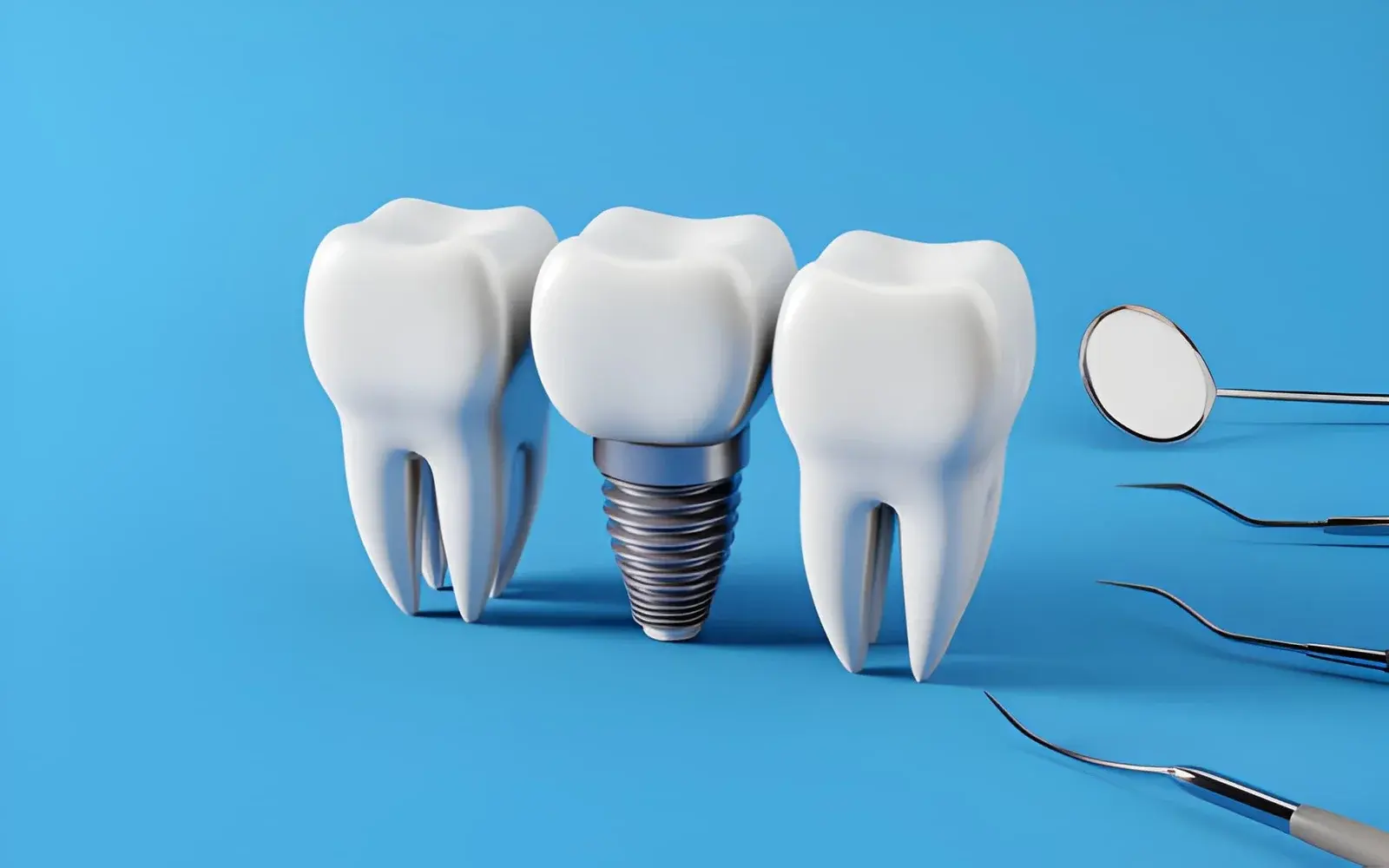
A dental implant is a small post, usually made of titanium, that is surgically placed into the jawbone to replace a missing tooth root. Once the implant has healed and connected with the surrounding bone, it can support a dental crown, bridge, or denture.
The process typically includes several important steps:
- Initial dental consultation and examination
- Tooth extraction, if necessary
- Bone preparation or grafting, if required
- Surgical placement of the implant
- Healing and integration with the jawbone
- Attachment of the final replacement tooth
Not every patient will need all these procedures. Some people have healthy gums and sufficient bone to proceed directly to implant placement, while others need additional treatment before surgery. Understanding your individual treatment plan is the best way to estimate how long the process may take.
Step 1: Initial Consultation and Treatment Planning
The first step involves meeting with a dental professional to determine whether dental implants are suitable for you. During the consultation, your dentist will examine your teeth, gums, and jawbone. Dental X-rays or three-dimensional imaging may be used to evaluate bone density and identify the best location for the implant. Your dentist will also review your medical history, current medications, and any conditions that could affect healing. Patients researching dental implants in Salt Lake City should understand that treatment timelines vary based on individual dental needs. A thorough consultation helps establish realistic expectations before any procedure begins. The examination may be completed in one appointment, but additional testing or treatment planning can require more time. A personalized evaluation helps ensure that the implant is placed in a position that supports long-term stability and function.
Step 2: Tooth Extraction and Bone Preparation
Some patients already have a missing tooth, while others need a damaged or severely decayed tooth removed before receiving an implant. If tooth extraction is necessary, the dentist will determine whether the implant can be placed immediately or whether the area needs time to heal first. In certain cases, several weeks or months of healing may be recommended before moving forward. Another factor that can extend the timeline is insufficient jawbone. When a tooth has been missing for a long period, the surrounding bone may gradually shrink. A dental bone graft may be recommended to create a stronger foundation for the implant. Depending on the size and complexity of the graft, the bone may need several months to heal before implant surgery. Larger grafts can require considerably longer. Although these additional steps increase the treatment time, they may be necessary to provide proper support for the replacement tooth.
Step 3: Dental Implant Placement Surgery
Once the jawbone is ready, the next step is the surgical placement of the implant. During the procedure, the surgeon numbs the treatment area using local anesthesia. Sedation may also be available depending on the patient’s needs and the complexity of the surgery. A small opening is made in the gum tissue, and the implant post is carefully positioned inside the jawbone. The procedure itself is often much shorter than the overall treatment process. Placing a single implant may take less than an hour, although the full appointment can be longer because of preparation, anesthesia, and other necessary steps. Most patients return home on the same day. Mild swelling, tenderness, and discomfort may occur during the first several days. Your surgeon will provide instructions about eating, oral hygiene, medication, and physical activity. Following these instructions carefully can help protect the surgical area during the early stages of recovery.
Step 4: Healing and Osseointegration
The healing stage is usually the longest part of the dental implant process. After placement, the surrounding jawbone gradually grows and bonds with the implant surface. This natural process is called osseointegration. It creates a stable foundation that allows the implant to support a replacement tooth during normal activities such as chewing and speaking. The integration process commonly takes approximately three to nine months, depending on the patient’s healing response and bone condition. Although the gums may feel better within a week or two, the underlying bone continues healing for much longer.
Factors that may affect healing include:
- Overall health and medical conditions
- Jawbone quality and density
- Smoking or tobacco use
- Gum health and oral hygiene
- The number and location of implants
- How closely post-surgery instructions are followed
Regular follow-up appointments allow your dentist to monitor healing and check whether the implant is stable enough for the next stage. Allowing sufficient healing time is essential for supporting the long-term success of the treatment.
Step 5: Abutment Placement and Final Crown
After the implant has successfully integrated with the jawbone, the dentist can begin the final restoration process. An abutment is a small connector that attaches to the implant and supports the replacement tooth. In some cases, the abutment is placed during the original surgery. In others, a separate minor procedure is needed after the implant has healed. If another procedure is necessary, the gum tissue may require additional healing time before the permanent restoration is attached. Your dentist will then take impressions or digital scans to create a replacement tooth that matches the shape and appearance of your natural teeth. The final crown is carefully fitted and adjusted to ensure a comfortable bite. The restoration stage may require additional appointments over several weeks, depending on the treatment plan. Once completed, the implant-supported tooth can provide a stable and natural-looking replacement for the missing tooth.
Can Dental Implants Be Completed in One Day?
Some patients may qualify for same-day dental implant treatment, but this does not mean the entire healing process is completed in one appointment. In selected cases, a dentist may place an implant and attach a temporary replacement tooth on the same day. This approach depends on factors such as bone quality, implant stability, gum health, and the location of the missing tooth. The temporary tooth may also need to be protected from heavy biting pressure while the implant heals. Even when a temporary restoration is placed immediately, the jawbone still needs time to integrate with the implant. The permanent restoration may be attached at a later appointment once the dentist confirms that the implant is ready. A professional evaluation is necessary to determine whether immediate implant placement is a suitable option.
What Can Delay the Dental Implant Timeline?
Several factors can affect how quickly a patient moves through the treatment process. One common reason is untreated gum disease. Healthy gums are important for implant stability, so existing infections or inflammation may need to be addressed before surgery. Bone loss can also increase treatment time because additional preparation may be required. Certain medical conditions, especially those that affect healing, may require closer monitoring or adjustments to the treatment plan. Lifestyle habits can influence recovery as well. Smoking, poor oral hygiene, and failure to follow post-operative instructions can increase the risk of complications. Missing follow-up appointments may also delay the final restoration because the dentist needs to confirm that healing is progressing properly. Patients considering dental implant treatment should discuss these factors during their consultation to better understand their expected timeline.
How to Support a Smooth Dental Implant Recovery
Although the natural healing process cannot be rushed, patients can take practical steps to support recovery. Follow your dentist’s instructions regarding medications, cleaning, and eating habits. During early healing, softer foods may be recommended to avoid unnecessary pressure on the surgical area. Maintain good oral hygiene using the techniques recommended by your dental team. Keeping the mouth clean helps reduce the risk of infection and protects surrounding tissues. Avoid smoking and follow any restrictions on alcohol or strenuous physical activity. It is also important to attend all scheduled follow-up appointments, even if the implant feels comfortable. Contact your dentist if you experience worsening pain, increasing swelling, fever, or unusual discharge around the surgical site. Consistent aftercare and professional monitoring can help reduce avoidable setbacks during recovery.
Conclusion
The dental implant process requires patience because successful treatment involves more than placing a replacement tooth. Each stage plays an important role in creating a stable foundation and supporting long-term oral health. While some patients may complete treatment within a few months, others need additional time for tooth extraction, bone preparation, or healing. The best way to understand your expected timeline is to schedule a consultation with a qualified dental professional who can assess your oral health and develop a personalized treatment plan. Taking the time to complete each stage properly can help you achieve a comfortable, functional, and natural-looking smile.
Also Read
- CF Meaning in Text: What It Means in Chats, Social Media & Online Conversations (2026 Updated)
- 18+ Unique Similes for Life (2026) – Creative, Deep & Easy Examples
- TS Meaning in Text : Full Form, Uses, Examples & Social Media Trends (2026 Updated)