
Key Takeaways
- Start by defining the fence’s primary job: privacy, containment, safety, pool protection, or property definition.
- Compare materials based on upkeep, exposure to weather, appearance, expected service life, and budget.
- Account for slopes, water flow, trees, gates, utility lines, and future landscaping before finalizing a layout.
- Treat pool barriers as dedicated safety features, not as ordinary yard fencing.
- Confirm property lines, permits, local rules, and HOA requirements before installation begins.
- Inspect posts, panels, fasteners, and gates periodically so small issues can be addressed early.
A successful fence begins with how the yard needs to function, not with a color or panel style. Whether the goal is privacy, pet containment, a safer play area, or a clearer property boundary, the right plan accounts for daily use, terrain, access, and maintenance. Homeowners considering an open, durable perimeter can review https://furlongfence.com/fences/aluminum-fences/ while comparing the visibility, style, and layout needs of their own property.
Fence decisions also have long-term consequences. A low-maintenance material may reduce routine work, but it still needs sound posts, properly sized gates, and a layout that manages slopes and drainage. Planning those details before materials are ordered can help prevent costly revisions later.
Why Fence Planning Takes More Than Picking a Style
A fence affects how people, pets, equipment, and water move through a property. The wrong height may not provide privacy. A gate placed on a steep grade may drag or fail to latch. A decorative open fence may preserve a view but may not contain a small pet without the right picket spacing or bottom clearance.
It also helps to compare the purchase price with ongoing care. Wood can provide warmth and privacy, but it may require periodic sealing, staining, painting, or board replacement. Other materials can reduce finishing work, yet all fences benefit from routine checks after storms, freezing conditions, or ground movement.
Step 1: Define the Main Purpose
Write down the one or two jobs the fence must perform before comparing styles. This keeps the project focused when visual preferences and practical needs compete.
- Privacy: A solid design can screen patios, seating areas, and neighboring views.
- Pet containment: The layout should limit gaps, weak points, and opportunities to dig under or climb over the fence.
- Child safety: A visible boundary can help separate play areas from driveways, streets, or other hazards.
- Pool protection: A pool barrier needs its own safety-focused design and code review.
- Property definition: A fence can organize a large yard, garden, side yard, or service area.
- Curb appeal: An open or decorative fence can add structure without closing off the view of the home.
Step 2: Compare Common Fence Materials
Wood
Wood fencing is commonly chosen for a traditional appearance and substantial privacy. It can be adapted to many heights and layouts, although exposure to moisture, sunlight, and insects means owners should expect periodic maintenance and occasional repairs.
Vinyl
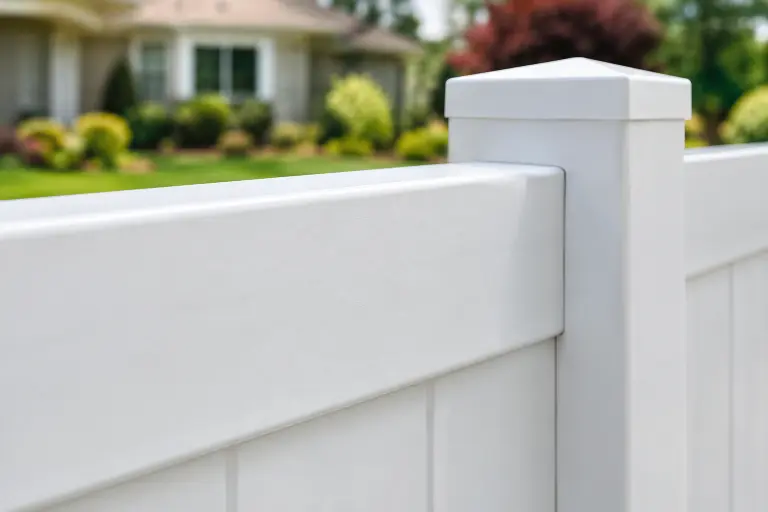
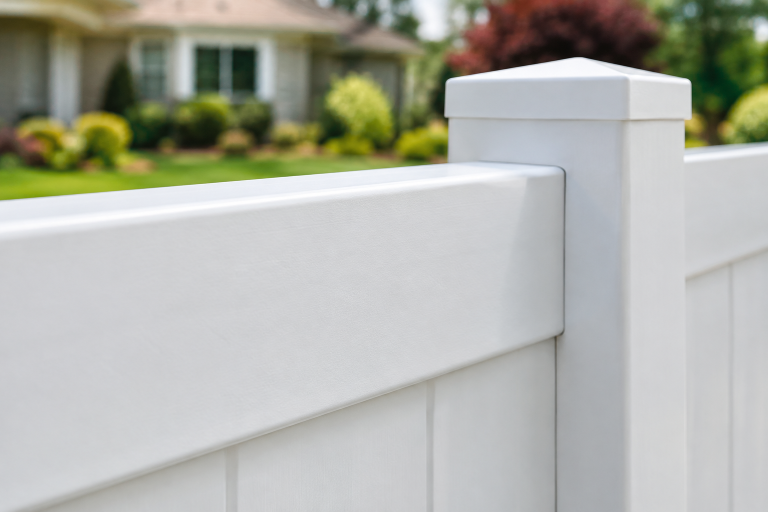
Vinyl offers a clean, uniform appearance and does not require painting or staining. It can work well for privacy-oriented designs, but panels and rails can be damaged by hard impacts, so placement near active driveways or tight equipment access deserves consideration.
Chain Link
Chain link is a practical choice when visibility and containment matter more than privacy. It can suit utility areas and larger yards, while privacy slats or planted screening may be added where a more enclosed feel is needed.
Aluminum and Other Metal Options
Aluminum fencing can provide an open, finished look around gardens, patios, slopes, and pool areas. Its visibility is useful when monitoring a yard, but it does not create the visual screening of a solid privacy fence. Check all metal fencing for loose hardware, scratches, shifting posts, and gate alignment.
Step 3: Plan Around the Land
The property often determines the best design more than a catalog does. Measure changes in grade, identify low areas that collect water, and note retaining walls, tree roots, patios, driveways, air-conditioning equipment, and existing drainage paths. On uneven ground, a fence may follow the grade closely or use stepped sections. The better option depends on the desired appearance, the required bottom clearance, and the terrain.
Leave practical room for mowing, repairs, deliveries, and future landscaping. Gates are usually easier to use when they are away from steep sections and standing water.
Step 4: Treat Gates as a Separate Design Decision
A fence is only as functional as its gates. Choose a walk gate for regular use, a wider service gate for lawn equipment, or a driveway gate where vehicle access is required. Position each opening where people naturally enter the yard, then verify clearance for wheelbarrows, trash bins, furniture, and maintenance equipment.
- Confirm hinge strength, latch placement, swing direction, and ground clearance.
- Test the gate at several points in its swing, not only when it is fully open or closed.
- Use durable hardware that can be adjusted if seasonal ground movement affects alignment.
Step 5: Give Pool Areas Extra Attention
A pool barrier is a safety feature, not simply a decorative boundary. The pool fence guidance from the Virginia Department of Health recommends a barrier that completely surrounds the pool, is at least four feet high, resists climbing, and includes a self-closing, self-latching gate that opens away from the water.
Local requirements can be more specific, so verify required height, spacing, gate hardware, and permit rules before work starts. Keep chairs, planters, toys, storage boxes, and other climbable objects away from the barrier, and preserve clear access to pool equipment and the area around the water.
Step 6: Check Rules Before Ordering Materials
Review municipal or county requirements, permit procedures, and HOA standards early. Restrictions may address height, placement, color, materials, finished sides, corner-lot visibility, drainage easements, and proximity to streets. Do not assume an old fence marks the exact boundary. If the line is unclear, review a survey or consult a qualified professional before setting posts.
Step 7: Call Before Digging
Fence posts require excavation, even on a small project. The national before-you-dig process advises contacting 811 before digging so participating utilities can mark their approximate underground lines. Private lines, including irrigation, landscape lighting, septic connections, and wiring to detached structures, may require separate identification.
- Submit the location request before excavation.
- Wait for the required response period and visible markings.
- Keep markings visible while the work is underway.
- Adjust the layout if a marked utility conflicts with the planned post location.
Build a Realistic Maintenance Plan
Walk the fence line several times a year and after severe weather. Look for leaning posts, loose fasteners, damaged panels, worn hinges, sticking latches, vegetation growth, and soil buildup around the base. Clear vines, branches, leaves, and debris, then follow the material manufacturer’s cleaning recommendations. Addressing a loose gate or shifting post early is usually simpler than repairing a larger affected section.
Questions to Ask Before Hiring a Fence Installer
- How will the proposed design handle slopes, drainage, and changing grade?
- How will property lines and easements be confirmed?
- Who is responsible for arranging utility marking before digging?
- What gate hardware, latches, and adjustments are included?
- What conditions, such as rock, wet soil, roots, or access limits, could affect the final cost?
- Will the design meet applicable zoning, HOA, and pool-barrier requirements?
Conclusion
A well-planned fence supports the way a property is actually used while remaining manageable over time. Define the purpose first, evaluate the land, choose materials honestly, verify local rules, and give gates and safety barriers the attention they deserve. When drainage, utilities, access, maintenance, and future needs are considered early, the finished fence becomes a practical and lasting part of the yard.
Also Read
- 18+ Unique Similes for Life (2026) – Creative, Deep & Easy Examples
- What Changes When You Move Up The Residential Property Ladder
- Furniture Storage Dubai: Practical Self Storage Dubai Choices