In the aviation industry, fleet reliability is directly synonymous with passenger safety, operational efficiency, and financial health. Every successful flight and smooth landing depends on a disciplined, multi-tiered maintenance system operating behind hangar doors. Because modern aircraft endure intense physical stress and environmental fluctuations on every trip, a proactive upkeep strategy is essential to eliminate potential failures before they arise and minimize unscheduled groundings.
Simplifying aircraft maintenance does not mean cutting corners; rather, it means organizing complex engineering requirements into structured, repeatable practices. By focusing on core foundational habits and leveraging modern technology, operators can maintain peak airworthiness, extend asset life, and lower ownership costs over time. Here is a practical guide to the essential maintenance tips that keep fleets safe, dependable, and flight-ready.
1. Structure Scheduled Checks into Line and Base Operations
The bedrock of fleet reliability lies in strict adherence to manufacturer-recommended schedules and regulatory standards set by aviation authorities. To simplify management, maintenance programs should be clearly divided into two primary operational categories: line maintenance and base maintenance.
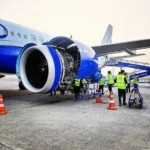
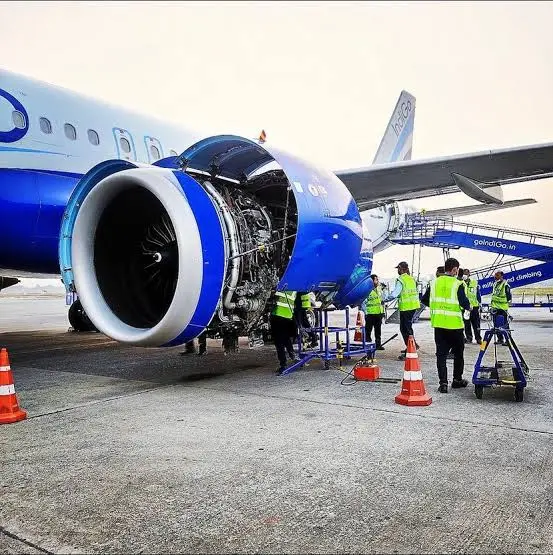
- Line Maintenance: Focuses on routine checks performed between flights or during overnight layovers. These checks include visual inspections, tire pressure checks, fluid top-offs, and addressing minor pilot write-ups to ensure immediate airworthiness.
- Base Maintenance: Involves comprehensive, in-depth inspections conducted inside dedicated hangars. During scheduled base checks (such as heavy C-checks), aircraft are grounded for days or weeks as technical teams dismantle components to inspect structural integrity, overhaul hydraulics, and test avionics systems.
Maintaining a clear operational division between daily routines and heavy hangar overhauls prevents minor issues from compounding into major structural faults.
2. Shift from Reactive Care to Condition-Based Preventive Maintenance
Waiting for a component to fail before replacing it leads to expensive emergency repairs and extended ground time. Transitioning to preventive and condition-based monitoring allows engineering teams to resolve mechanical anomalies during non-peak hours.
Modern aircraft rely heavily on digital sensors and analytics to evaluate system health in real time. Digital pressure gauges, for instance, deliver live telemetry on hydraulic and fuel system performance. By monitoring these trends over time, maintenance managers can identify subtle pressure drops or temperature spikes and schedule proactive servicing long before an actual component breakdown occurs.
3. Leverage Advanced Preservation and Precision Surface Restoration
Preserving valuable aerospace assets begins the moment an aircraft lands and parks on the apron. Environmental factors like moisture, ambient dust, and extreme temperature swings can cause rapid material degradation. Utilizing custom protective covers, intake plugs, and specialized bellows shields moving mechanisms from contaminants without restricting necessary thermal movement.
When component wear does occur—particularly on engine parts operating under extreme heat—modern aerospace facilities favor advanced surface restoration over costly part replacements. Specialized repair techniques like laser cladding allow technicians to deposit high-grade alloys onto worn turbine blades to rebuild their original dimensions. Before such high-precision thermal repairs or recoating procedures can take place, deep preparation techniques like fluoride ion cleaning are used to thoroughly remove surface oxides from high-nickel superalloys. Combining meticulous cleaning with high-precision material deposition extends part service lives and significantly reduces long-term component replacement costs.
4. Prioritize Avionics Calibration and Fluid Contaminant Analysis
Avionics and propulsion systems represent the intelligence and power of an aircraft. Maintaining these critical systems requires specialized diagnostic testing:
- Precision Avionics Calibration: Flight control, communication, and navigation systems must be calibrated regularly. Accurate instrument readings are vital for situational awareness when flight crews navigate adverse weather conditions or low-visibility approaches.
- Fluid Analysis: Regularly analyzing engine oil and hydraulic fluid samples serves as an early warning system for internal mechanical health. Checking for microscopic metal shavings or chemical contamination enables maintenance teams to spot bearing or gear wear deep inside engines long before visible symptoms appear.
5. Cultivate Skilled Personnel and Digital Documentation
Even the most advanced predictive tools depend on human expertise. A strong maintenance program relies on certified technicians who undergo continuous training on manufacturer manuals, emerging safety protocols, and modern diagnostic software. Because human error remains a key factor in aviation incidents, fostering a culture of strict procedural adherence and mandatory double-checking is non-negotiable.
Additionally, thorough record-keeping is essential. Transitioning from legacy paperwork to digital maintenance logs streamlines historical tracking across global fleets, ensuring full transparency for regulatory compliance and simplified troubleshooting during future servicing.
Building a Culture of Fleet Excellence
Maximizing long-term aircraft reliability comes down to discipline, technology, and structured foresight. By organizing inspection routines, adopting condition-based monitoring, utilizing modern component restoration techniques, and investing in technician training, fleet operators can achieve exceptional safety and efficiency. Ultimately, a proactive maintenance philosophy protects an organization’s most valuable assets—its aircraft, crew, and passengers.
Also Read
- the-impossible-geometry-a-deep-dive-into-soluble-supports/
- /how-to-win-jetx/
- how-accelerated-online-degree-programs-work-in-2026/