
Shopping for solar can get technical very quickly. One quote talks about panel efficiency, another highlights inverter capacity, and a third throws around warranty figures that sound impressive but don’t mean much without context.
Those details matter, but there’s another part of the decision that homeowners sometimes overlook: the quality of the installation itself.
A well-designed solar system is more than a collection of good components. It has to suit the property, be installed correctly, and keep performing through years of heat, rain, wind, and everyday use. That’s why choosing the right installer deserves just as much attention as choosing the equipment.
Good Solar Starts With the Property, Not the Panels
There isn’t one solar system that’s right for every Victorian home. Two houses on the same street can have completely different requirements because of their roof design, shading, household energy use, or future plans.
A proper assessment should look at things such as roof orientation, available space, nearby trees, existing electrical equipment, and when the household consumes the most electricity.
This matters because simply covering a roof with as many panels as possible isn’t always the smartest approach.
For example, a household that’s empty during most weekdays may have very different energy needs from a family where someone works from home. Someone planning to buy an electric vehicle may also want a system designed with future charging demand in mind.
Good system design starts with those practical details.
The Installer Has a Big Influence on Performance
Solar panels spend decades exposed to the weather, so the physical installation needs to hold up.
Mounting systems must be secure. Wiring should be protected and routed properly. Electrical connections need to be completed correctly, and the inverter should be positioned somewhere appropriate for both performance and maintenance.
Small shortcuts aren’t always obvious when you first look at the finished job.
You might only notice them later when something needs repairing or the system isn’t producing what you expected.
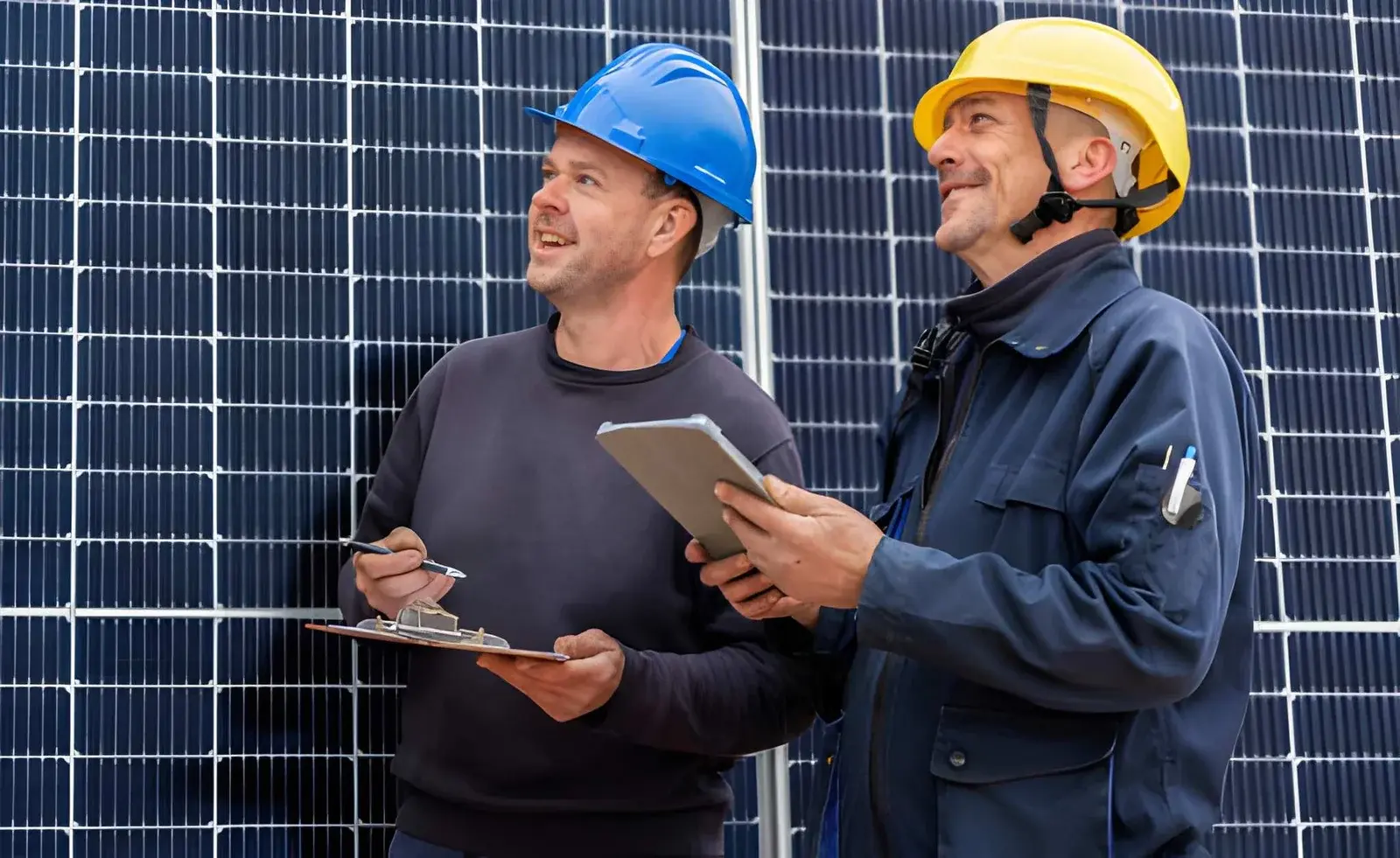
That’s one reason it’s useful to look beyond product brochures when comparing quotes. Experienced expert solar installers in Victoria should be able to explain why they’ve recommended a particular layout and system size rather than simply giving you a list of equipment.
If the explanation makes sense for your home and electricity use, that’s a much better sign than a sales pitch built around bigger numbers.
Bigger Isn’t Automatically Better
It’s easy to assume that the largest system you can afford will deliver the greatest value. Sometimes it will. Sometimes it won’t.
Solar works best financially when the system matches how electricity is actually consumed.
Imagine a home that produces a large amount of excess electricity in the middle of the day but uses most of its power after sunset. Installing extra panels may increase total generation, but that doesn’t necessarily mean the household is getting maximum value from every additional panel.
That homeowner might instead consider shifting some electricity use into daylight hours or looking at battery storage.
System sizing should therefore be based on more than roof capacity. Your electricity bills, daily routines, future appliances, heating and cooling needs, and possible EV ownership can all affect the calculation.
Ask What Happens After Installation
Solar isn’t a purchase you make every couple of years. Panels are expected to remain on the roof for a long time, which makes after-sales support surprisingly important.
Before signing a quote, ask a few practical questions.
Who should you contact if the monitoring app stops reporting? What happens if an inverter develops a fault? Who handles warranty claims? Can the installer inspect or service the system later?
You don’t need dramatic promises. You need clear answers.
It can also help to understand exactly which warranties cover the equipment and which apply to installation workmanship. These aren’t necessarily the same thing.
A long panel warranty sounds reassuring, but it doesn’t replace having someone available when a problem involves wiring, mounting, monitoring, or another part of the installation.
Don’t Judge a Quote on Price Alone
Solar quotes can vary considerably, even when the proposed systems look similar on paper.
The cheapest quote can be tempting, particularly when you’re already making a significant investment. But comparing only the final price can hide meaningful differences.
Look closely at what’s actually included.
One quote might include a detailed site assessment, quality mounting equipment, monitoring setup, paperwork, grid connection assistance, and ongoing support. Another may offer similar panel specifications while handling those areas differently.
Ask questions when something isn’t clear. A reputable installer should be comfortable explaining what you’re paying for.
You’re not being difficult. You’re making a purchase that could stay attached to your house for decades.
Think About What Your Home Might Need Later
Your electricity use probably won’t remain exactly the same for the life of your solar system.
You might replace a gas appliance with an electric one. Perhaps you’ll install a heat pump, buy an EV, add air conditioning, or eventually purchase a home battery.
Planning for those possibilities doesn’t necessarily mean buying everything now.
It means discussing them before the system is designed.
For instance, someone interested in adding battery storage later may benefit from making different equipment choices today. The same applies to future EV charging.
Even if those upgrades are several years away, mentioning them during the initial assessment gives the installer a better picture of where your household is heading.
Monitoring Is Part of Owning Solar
Once the panels are installed, it’s tempting to forget they’re there and simply wait for the electricity bills.
It’s better to check performance occasionally.
Modern monitoring systems can show how much electricity the panels are generating and, depending on the setup, how the household is consuming energy. This information can help you spot unusual performance and change when you run power-hungry appliances.
If your system produces plenty of electricity around midday, for example, that may be a sensible time to run the dishwasher, washing machine, pool pump, or other flexible loads.
You don’t need to obsess over the numbers every day. The point is simply to understand how your system behaves.
A Good Installation Should Make Sense to You
You don’t need to become a solar technician before buying a system.
You should, however, understand the basics of what you’re purchasing.
You should know why the recommended system is a certain size, roughly how much electricity it’s expected to produce, where major components will be installed, what warranties apply, and who to contact when you need help.
If you’re given a proposal filled with technical language but can’t get straightforward answers to simple questions, keep asking.
Solar should become easier to understand as you move through the quoting process, not more confusing.
The panels and inverter certainly matter, but they’re only pieces of a larger system. Thoughtful design, careful installation, sensible sizing, and reliable support determine how those pieces work together over the years.
Choose the equipment carefully, but pay equal attention to the people responsible for putting it on your roof.
Also read
- The Ultimate Escape at Sea: Combining Sophistication, Privacy and Personalised Service
- What Changes When You Move Up The Residential Property Ladder
- HGS Meaning in Text: Full Form, Chat Slang & Social Media Uses (2026 Updated)