
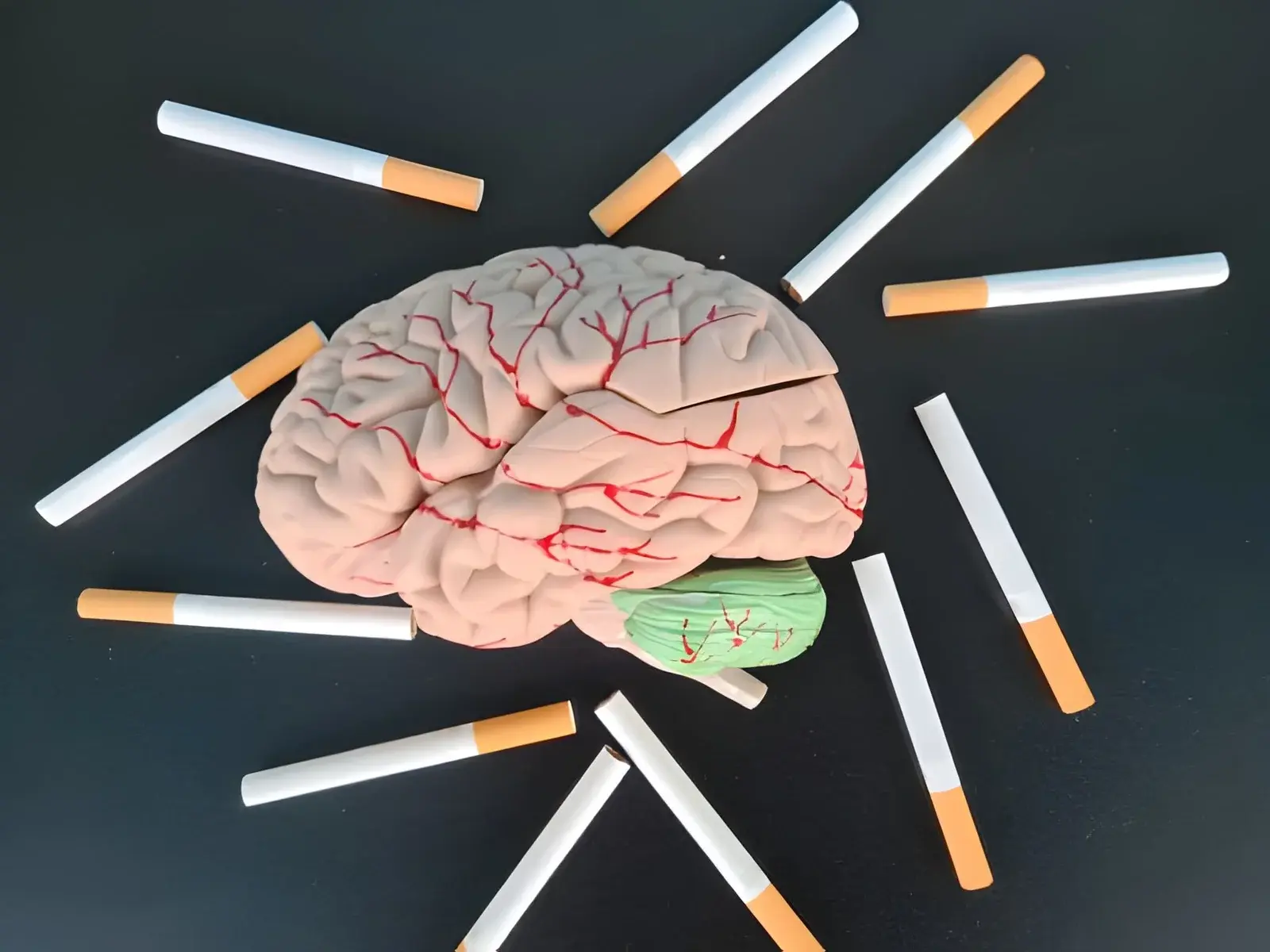
Smoking remains one of the leading preventable causes of illness, cardiovascular disease, and premature death worldwide. Despite widespread awareness of its severe health risks, millions of individuals struggle to break free from nicotine. This difficulty is not due to a lack of desire or willpower; rather, it stems from the complex, dual nature of nicotine addiction. Nicotine alters brain chemistry within seconds of inhalation, while the physical acts and routines of smoking become deeply embedded in daily life.
To achieve lasting recovery, relying solely on unassisted resolution is rarely sufficient. Sustainable success requires structured smoking cessation therapy—an evidence-based approach that integrates clinical treatments, psychological counseling, behavioral modification, and continuous support. By treating both the biological dependency and the psychological attachment, smoking cessation therapy empowers individuals to navigate withdrawal, dismantle ingrained habits, and reclaim control over their health.
The Physiology and Psychology of Nicotine Addiction
To understand why therapeutic intervention is so critical, one must first examine how nicotine affects the human central nervous system. Nicotine addiction is a chronic, relapsing brain condition governed by both biological reward mechanisms and learned behavioral responses.
The Biological Reward Circuit
When a person inhales tobacco smoke, nicotine rapidly crosses the blood-brain barrier and binds to nicotinic acetylcholine receptors—specifically the α4β2 subtype—in the ventral tegmental area of the brain. This binding stimulates a rapid release of dopamine in the nucleus accumbens, creating sensations of pleasure, heightened focus, and temporary relaxation.
With repeated exposure, the brain adjusts to these artificial neurochemical surges through neuroadaptation:
- Receptor Upregulation: The brain increases the density of nicotine receptors to accommodate the constant stimulus.
- Tolerance: Larger or more frequent doses of nicotine are required to achieve the same emotional or physical effect.
- Withdrawal: As nicotine levels drop, the sudden deficit of dopamine triggers acute withdrawal symptoms, including severe irritability, anxiety, difficulty concentrating, restlessness, insomnia, and intense cravings.
The Psychological and Contextual Conditioning
Simultaneously, smoking becomes conditioned behavior through classical and operant learning. Over time, the brain pairs smoking with specific environmental cues, emotional states, and daily habits:
- Routine Triggers: Morning coffee, driving, stepping outside during work breaks, or finishing a meal.
- Emotional Triggers: Experiencing workplace stress, feeling lonely, managing anger, or celebrating social events.
When these cues occur, the brain automatically expects nicotine, generating a powerful psychological urge that operates below conscious awareness. Smoking cessation therapy works specifically to break these automatic associations.
Core Pillars of Smoking Cessation Therapy
Effective smoking cessation therapy operates through a combination of pharmacological strategies and psychological interventions. Clinical guidelines consistently show that combining behavioral therapy with pharmacological support yields significantly higher success rates than using either approach in isolation.
| Therapeutic Modality | Primary Mechanism | Clinical Benefits |
| Cognitive Behavioral Therapy (CBT) | Re-identifies distorted thoughts and restructures habit loops. | Teaches practical coping skills and prevents long-term relapse. |
| Motivational Interviewing (MI) | Explores and resolves internal ambivalence toward quitting. | Strengthens intrinsic motivation and personal commitment. |
| Nicotine Replacement Therapy (NRT) | Delivers controlled, therapeutic nicotine without toxic combustion products. | Blunts acute physical withdrawal and reduces physiological cravings. |
| Non-Nicotine Prescription Medications | Targets neurotransmitter activity to reduce pleasure derived from smoking. | Minimizes withdrawal distress and blocks nicotine reward pathways. |
Pharmacological Interventions in Smoking Cessation Therapy
Pharmacotherapy reduces the intensity of physical withdrawal symptoms and cravings, establishing a stable physical foundation so individuals can focus on psychological and behavioral changes.
1. Nicotine Replacement Therapy (NRT)
NRT provides clean, medicinal nicotine to ease physical dependence while eliminating exposure to carbon monoxide, tar, and carcinogenic toxins found in tobacco smoke.
- Long-Acting Formulations (Nicotine Patches): Applied to the skin daily, patches deliver a continuous, steady dose of nicotine over 16 to 24 hours. They maintain a stable baseline concentration of nicotine in the blood, preventing sudden withdrawal spikes.
- Short-Acting Formulations (Gums, Lozenges, Inhalers, and Sprays): These deliver rapid-acting nicotine through the oral or nasal mucosa. They are used on-demand to manage sudden, acute cravings triggered by stress or environmental cues.
Using a combination of a long-acting patch and a short-acting form (combination NRT) is considered a gold-standard approach in clinical practice.
2. Non-Nicotine Prescription Therapies
For individuals who do not respond well to NRT or prefer non-nicotine options, prescription medications offer alternative pathways:
- Varenicline: A partial agonist at the α4β2 nicotinic acetylcholine receptor. It performs a dual function: it partially stimulates the receptor to relieve cravings and withdrawal, while simultaneously blocking inhaled nicotine from binding. If a person smokes while taking varenicline, the rewarding dopamine surge is significantly blunted.
- Bupropion SR: Originally formulated as an antidepressant, bupropion inhibits the reuptake of dopamine and norepinephrine in the brain. This action helps reduce nicotine cravings, ease depressive mood shifts, and minimize post-cessation weight gain.
Psychological and Behavioral Modalities
While medications address the biological drive to smoke, psychological therapies address the cognitive patterns, emotional triggers, and habit loops that sustain addiction over time.
Cognitive Behavioral Therapy (CBT)
Cognitive Behavioral Therapy helps individuals recognize the thoughts, feelings, and situations that trigger the urge to smoke. CBT equips patients with practical cognitive reframing techniques and behavioral substitutions:
- Identifying Automatic Thoughts: Replacing thoughts like “I can’t handle this stress without a cigarette” with grounded affirmations such as “This urge is uncomfortable, but it will peak and pass in five minutes.”
- Behavioral Rehearsal: Practicing refusal skills for social situations and restructuring daily routines (e.g., taking a brisk walk immediately after meals instead of stepping outside to smoke).
- Urge Surfing: Teaching patients to visualize a craving as a wave in the ocean. Rather than fighting or giving in to the urge, the individual practices “surfing” the wave, observing its peak and watching it naturally subside without acting on it.
Motivational Interviewing (MI)
Ambivalence is a central obstacle in smoking cessation. Many individuals want to quit for their health, yet fear losing a primary coping mechanism or social habit. Motivational Interviewing is a person-centered counseling style designed to explore this internal conflict. Rather than lecturing or imposing rules, the therapist uses reflective listening and open-ended questions to help the individual articulate their own core values, build self-efficacy, and solidify their personal reasons for change.
Mindfulness-Based Interventions
Mindfulness practices train individuals to increase non-judgmental awareness of bodily sensations, emotions, and cravings. By learning to observe withdrawal symptoms without immediately reacting to them, patients weaken the automatic link between experiencing discomfort and reaching for a cigarette.
Comprehensive Relapse Prevention Strategies
Relapse prevention is an ongoing phase of smoking cessation therapy. Because addiction alters neural circuitry, stress or unexpected triggers can surface long after physical withdrawal has resolved.
Navigating the “Slip” vs. “Relapse”
A critical concept in behavioral therapy is preventing the Abstinence Violation Effect. If a person takes a single puff or smokes one cigarette (a “slip”), they may experience intense guilt, shame, and a sense of defeat, leading them to conclude that their attempt has failed completely.
Smoking cessation therapy re-frames a slip as a temporary lapse and a learning opportunity rather than a moral failure:
- Analyze the Circumstances: What specific trigger, emotion, or environment led to the lapse?
- Adjust the Coping Plan: What alternative behavior or support tool can be introduced to manage that scenario next time?
- Resume Immediate Abstinence: Re-affirm commitment without engaging in self-criticism or abandoning health goals.
Environmental Restructuring and Lifestyle Modifications
Long-term success is bolstered by modifying daily living conditions and health habits:
- Cleansing the Environment: Discarding all tobacco products, lighters, and ashtrays, and deep-cleaning living spaces, vehicles, and clothing to eliminate smoke odor.
- Managing Stress through Exercise: Regular physical activity stimulates endorphin release, reduces stress, aids in weight management, and improves mood during the recovery process.
- Building a Supportive Network: Engaging family, friends, co-workers, and peer support groups fosters accountability and emotional encouragement throughout the transition.
Accessing Professional Care in the Modern Era
Navigating nicotine withdrawal, restructuring long-standing behavioral habits, and maintaining motivation requires structured, professional guidance. Working alongside licensed therapists and behavioral health professionals gives individuals personalized toolkits designed for their specific life circumstances.
Integrated digital health platforms like ReachLink make comprehensive smoking cessation therapy accessible by connecting individuals directly with licensed mental health clinicians, behavioral therapists, and support specialists for personalized, evidence-based care from home.
Summary
Overcoming nicotine addiction is a profound journey of biological healing, psychological transformation, and habit re-education. While the power of nicotine addiction is significant, evidence-based smoking cessation therapy provides the precise tools, coping mechanisms, and clinical support necessary to achieve lasting freedom. By addressing both the neurochemical drive and the cognitive habits surrounding tobacco use, individuals can break the cycle of dependence, protect their long-term health, and step into a smoke-free future.
Also read
- 16+ Mental Health Similes to Express Emotions Clearly in 2026
- Mastering the Mind and Body: The Science and Practice of Smoking Cessation Therapy
- Why Peptide-Based Weight Loss Treatments Are Getting So Much Attention





1 thought on “Mastering the Mind and Body: The Science and Practice of Smoking Cessation Therapy”