
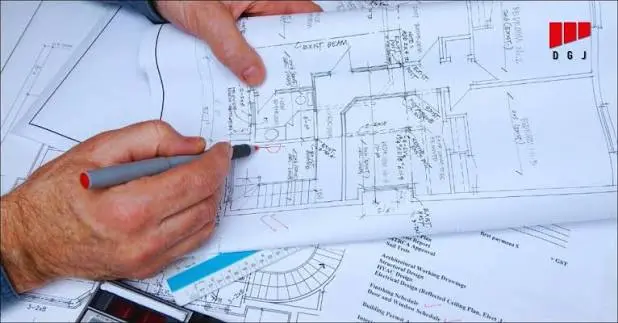
Construction projects involve multiple stages, from initial budgeting and material calculations to technical drawings and final execution. Each stage requires careful coordination between contractors, engineers, architects, subcontractors, and project managers. Without accurate information and proper planning, construction businesses may experience budget overruns, scheduling conflicts, and unnecessary delays.
Working with an experienced construction estimating company can help contractors manage these responsibilities more effectively. Professional estimating support provides detailed quantity calculations and cost reports, while CPM scheduling services help organize project activities and monitor deadlines. Similarly, shop drawings services provide technical documentation that supports fabrication, coordination, and installation.
Understanding how these services work together can help construction professionals improve project efficiency and make better business decisions.
The Role of a Construction Estimating Company in Modern Projects
A construction estimating company helps contractors determine the financial requirements of a project before construction begins. The estimating process involves reviewing architectural drawings, structural plans, engineering documents, and technical specifications to identify the work involved.
Estimators calculate material quantities, labor requirements, equipment expenses, and other project-related costs to prepare organized estimates.
Depending on the project scope, estimating services may cover:
- Concrete estimating and quantity takeoffs.
- Structural steel estimating.
- Lumber and framing takeoffs.
- Drywall and insulation estimating.
- Roofing and siding estimates.
- Electrical estimating.
- Plumbing estimating.
- Mechanical and HVAC estimating.
- Sitework and excavation estimating.
- Commercial and residential cost estimating.
For example, a general contractor preparing a proposal for a commercial development needs to evaluate the costs of foundations, structural systems, interior finishes, roofing, and mechanical installations. A detailed estimate provides the financial information required to prepare a realistic bid.
Why Accurate Construction Estimates Matter
Incorrect quantity calculations and unrealistic cost assumptions can affect a contractor’s profitability. Underestimating material requirements may create additional purchasing expenses, while overestimating costs can make a bid less competitive.
Professional estimating support offers several advantages:
Improved Budget Control: Detailed cost breakdowns help contractors understand the financial requirements of individual construction activities.
Better Material Planning: Quantity reports support purchasing decisions and help reduce unnecessary material orders.
Competitive Bidding: Accurate estimates allow contractors to prepare proposals based on actual project requirements.
Reduced Financial Uncertainty: Reviewing drawings and specifications helps identify potential cost issues before construction begins.
Efficient Project Preparation: Organized estimates provide useful information for procurement and scheduling activities.
A reliable construction estimating company should also understand local material prices, labor rates, construction methods, and project-specific specifications.
How CPM Scheduling Services Improve Construction Management
Construction projects involve activities that must be completed in a specific sequence. Excavation generally needs to be completed before foundation work, structural installation must follow the required preparation, and interior finishing activities depend on earlier construction and building system installations.
Without a properly developed timeline, managing these activities can become difficult.
CPM scheduling services use the Critical Path Method to organize construction activities, establish task relationships, calculate durations, and identify the sequence of work that determines the project’s planned completion date.
The process begins with dividing the project into manageable activities. Estimators and planners then establish activity durations, identify dependencies, and develop a logical construction sequence.
Key Elements of CPM Scheduling
Work Breakdown Structure (WBS)
A WBS divides a large construction project into smaller activities and work packages. This makes it easier to assign responsibilities, estimate durations, and monitor progress.
Activity Sequencing
Scheduling professionals establish relationships between different construction activities. For example, foundation installation must follow excavation and the required site preparation.
Duration Estimation
Each activity receives an estimated duration based on labor resources, equipment availability, construction methods, and project conditions.
Critical Path Identification
The critical path identifies the sequence of activities that determines the minimum planned project duration under the schedule assumptions.
Progress Monitoring
Project teams compare actual progress against the approved baseline schedule to identify delays and evaluate corrective actions.
Benefits of Professional CPM Scheduling
CPM scheduling services help contractors and project managers maintain better control over construction timelines.
Some important benefits include:
- Identifying activities that directly affect project completion.
- Improving coordination between subcontractors.
- Planning labor and equipment requirements.
- Monitoring important project milestones.
- Identifying potential scheduling conflicts.
- Supporting delay analysis and recovery planning.
- Improving communication between project stakeholders.
For large commercial and industrial projects, a detailed CPM schedule can provide a useful framework for managing complex construction operations.
Understanding Shop Drawings Services
Construction design drawings communicate the overall requirements of a building, but fabrication and installation teams often need additional technical details.
Shop drawings services provide detailed drawings that explain the dimensions, materials, connections, components, and installation requirements of specific construction elements.
These drawings are typically prepared by contractors, subcontractors, fabricators, or specialized drafting professionals based on the design documents and project specifications.
Shop drawings are particularly important when construction involves custom-fabricated components, complicated structural connections, or coordinated mechanical and electrical installations.
Common types include:
- Structural steel shop drawings.
- Rebar and reinforcement shop drawings.
- HVAC ductwork shop drawings.
- Mechanical piping shop drawings.
- Plumbing shop drawings.
- Electrical coordination drawings.
- Millwork and cabinetry shop drawings.
- Curtain wall and glazing shop drawings.
- Miscellaneous metal fabrication drawings.
Why Detailed Shop Drawings Are Necessary
Shop drawings help translate design requirements into information that fabrication and installation teams can use.
For example, a structural steel fabricator needs detailed information about beam dimensions, connection plates, bolt locations, and welding requirements before manufacturing components.
Similarly, HVAC contractors require ductwork layouts that show dimensions, fittings, routing, and installation details.
Detailed shop drawings provide several advantages.
Fabrication Accuracy: Technical details help fabricators manufacture components according to project requirements.
Better Installation Planning: Contractors can understand component dimensions and installation arrangements before beginning fieldwork.
Improved Trade Coordination: Detailed drawings help identify potential conflicts between different building systems.
Reduced Rework: Reviewing installation details before fabrication can minimize avoidable modifications.
Clear Communication: Contractors, engineers, architects, and fabricators can coordinate around consistent technical documentation.
Shop drawings should follow the project’s review and approval procedures before fabrication or installation whenever approval is required.
How Estimating, CPM Scheduling, and Shop Drawings Work Together
Although these services perform different functions, they contribute to the same construction objectives: accurate planning, better coordination, and efficient project execution.
Consider a commercial building project involving a structural steel framework and extensive mechanical installations.
The construction estimating company first reviews the drawings and calculates material quantities, labor requirements, and project costs. These estimates provide a financial foundation for bidding and procurement.
Next, shop drawings are developed to explain the fabrication and installation details of structural steel and mechanical components. These documents help project teams coordinate technical requirements before work begins.
Meanwhile, CPM scheduling services organize the project activities into a logical timeline. The schedule accounts for drawing preparation, review, fabrication, material delivery, structural installation, and subsequent construction activities.
This coordination is important because delays in one stage can affect several other activities.
For example, late approval of structural steel shop drawings may delay fabrication and delivery. If steel installation is on the critical path, the delay may affect the overall project completion date.
By connecting cost planning, technical documentation, and scheduling, construction companies can make more informed decisions throughout the project lifecycle.
Software Used for Construction Estimating and Project Planning
Modern construction professionals use specialized software to improve estimating accuracy, prepare technical drawings, and manage project schedules.
Some commonly used platforms include:
Bluebeam Revu: Supports construction drawing reviews, measurements, and document markups.
PlanSwift: Used for digital material takeoffs and quantity calculations.
AutoCAD: Supports the preparation and modification of technical construction drawings.
Revit: Provides building information modeling capabilities for coordinated design documentation.
Tekla Structures: Supports structural modeling, steel detailing, and fabrication-related workflows.
Primavera P6: Used for complex construction scheduling, activity management, and progress tracking.
Microsoft Project: Helps project managers organize tasks, timelines, dependencies, and milestones.
The effectiveness of these tools depends on the knowledge of the professionals using them. Construction drawings, technical specifications, material requirements, and project conditions must be interpreted correctly to produce reliable results.
Why Contractors Outsource Construction Support Services
Maintaining a large internal estimating, drafting, and scheduling department requires experienced employees, software subscriptions, training, and management resources.
For many construction businesses, outsourcing selected services provides a more flexible approach.
Contractors may outsource complete project estimates, request shop drawing preparation for specific trades, or obtain scheduling assistance during busy construction periods.
Some advantages include:
Access to Specialized Professionals: External teams may provide experience in estimating, technical drafting, and project scheduling.
Flexible Resources: Businesses can request support according to project requirements and workload.
Better Deadline Management: Additional professionals can help manage multiple bid submissions and project documentation requirements.
Reduced Administrative Pressure: Internal teams can concentrate on project execution, client communication, and business development.
Support Across Multiple Trades: Outsourcing providers may assist with concrete, steel, lumber, electrical, plumbing, mechanical, and other construction divisions.
Before selecting an external provider, contractors should review sample deliverables, technical capabilities, software experience, communication procedures, and expected turnaround times.
Final Thoughts
Construction success depends on more than completing physical work on site. Accurate cost calculations, detailed technical documentation, and organized project timelines are equally important for managing budgets and meeting deadlines.
A professional construction estimating company helps contractors understand material quantities and project expenses. CPM scheduling services provide a structured approach to organizing construction activities, while shop drawings services support accurate fabrication, installation, and trade coordination.
When these services work together, construction professionals can improve project preparation, identify potential issues earlier, and maintain better control over their resources.
Whether managing a commercial development, industrial facility, or residential construction project, professional estimating, scheduling, and drafting support can contribute to more organized and predictable project execution.
Also Read
- 18+ Unique Similes for Life (2026) – Creative, Deep & Easy Examples
- What Changes When You Move Up The Residential Property Ladder
- Furniture Storage Dubai: Practical Self Storage Dubai Choices