
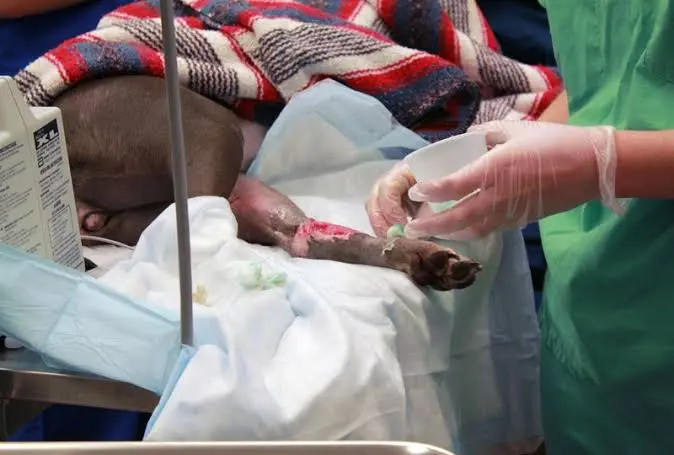
You saw the punctures, cleaned what you could, and maybe even thought it did not look that bad. Then the skin swelled, your pet flinched when you touched the area, or a small wound started leaking hours later. That is the hard part about bite injuries. The outside can look minor while the damage under the skin is much worse. If you are worried you missed something, that concern makes sense, and a full-service animal hospital in Lansdale can help assess injuries that may be more serious than they first appear.
How animal hospitals treat bite wounds with hidden tissue damage comes down to one goal, finding and treating what you cannot see yet. A bite can push bacteria deep into tissue, crush muscle, create pockets under the skin, and cut off blood supply to areas that may die over the next day or two. An animal hospital does more than clean the surface. The team checks for pain, infection, dead tissue, drainage tracts, and damage near joints, the chest, or the abdomen, then builds a treatment plan around those risks.
Animal bite wound treatment starts with what the skin hides
Many pet owners expect a larger wound to be more serious. Bite injuries do not work that way. A tiny puncture from a tooth can act like a sealed tunnel. Bacteria and saliva get driven deep into tissue, and the opening may close fast, trapping contamination inside. That is why animal bite wound treatment often looks more aggressive than people expect.
The first step at an animal hospital is a full exam. Your pet may need pain control right away because pain changes everything, including breathing, heart rate, and how safely the wound can be handled. The veterinarian checks the size and depth of the wound, but also the area around it for swelling, heat, bruising, crackling under the skin, and pockets of fluid. If the bite is on the neck, chest, belly, or near a joint, the concern rises quickly because deeper structures may be involved.
Hidden tissue damage matters because crushed tissue does not always die at once. It can lose blood flow slowly. Hours later, the skin can darken, separate, or develop a foul smell. That is one reason many wounds are clipped widely, flushed thoroughly, and explored instead of simply closed. Basic wound care principles used in veterinary medicine focus on cleaning, assessing depth, and protecting healthy tissue, which you can see reflected in this basic wound treatment guide.
Deep bite wounds in pets often need more than surface cleaning
You may be hoping for a quick rinse, a few stitches, and antibiotics. Sometimes that is enough. Often, it is not. Deep bite wounds in pets can create dead space under the skin where fluid and infection collect. If that space is sealed shut too early, the wound can abscess, reopen, or spread infection further.
That is why an animal hospital may sedate or anesthetize your pet to clip fur well beyond the visible injury, flush the area with sterile solution, and remove tissue that cannot recover. This process is called debridement. It sounds harsh, but it protects the healthy tissue that remains. Some wounds are left partially open or fully open for a period of drainage and repeat cleaning. Others need drains placed under the skin to let trapped fluid escape.
Research and clinical guidance on traumatic wounds in dogs support early wound assessment, lavage, debridement, and staged closure when tissue health is uncertain. Cornell has outlined this approach in its work on an intervention protocol for traumatic wounds in dogs. Veterinary emergency references also stress that bite wounds can be deceptively severe because of crushing and contamination, as discussed in these veterinary wound management proceedings.
If your pet was bitten by another animal and seems tired, feverish, or painful the next day, that is not overreaction on your part. It is often the moment hidden damage starts showing itself.
Home care and animal hospital care are not the same for bite injuries
| Approach | What It Can Address | Main Limits | Best Use |
|---|---|---|---|
| Home first aid | Visible bleeding, light surface debris, preventing licking | Cannot assess depth, dead space, crushed tissue, or internal contamination | Short term support while arranging veterinary care |
| Animal hospital exam | Pain, hidden pockets, infection risk, joint or body cavity involvement | Requires transport, cost, and sometimes sedation | Any puncture wound, swelling, limp, fever, or pain after a bite |
| Hospital wound cleaning and debridement | Deep contamination, dead tissue, drainage, wound planning | May need repeat treatment and bandage changes | Moderate to severe bites or wounds that worsen over hours |
| Immediate closure with stitches | Selected clean wounds with healthy tissue | Can trap infection if used too early | Only after proper assessment by a veterinarian |
The biggest difference is judgment. A surface wound can be cleaned at home, but hidden tissue damage cannot be measured by appearance alone. A pet that acts normal right after a fight can still have a punctured chest, a torn body wall, or an infection building under the skin. Veterinary care for bite wounds is really about catching those problems before they become harder and more expensive to treat.
Three steps to take right away after a pet bite injury
1. Stop the licking and limit movement. Use an e collar if you have one, keep your pet quiet, and avoid pressing or probing the wound. Movement can worsen swelling and bleeding, especially if tissue under the skin is already torn.
2. Do only gentle first aid. If the wound is bleeding, apply light pressure with a clean cloth. If there is dirt on the surface, you can rinse gently with clean water or saline. Do not use hydrogen peroxide, alcohol, or ointments deep in a puncture. They can damage tissue or trap debris.
3. Get the wound examined the same day. Bite wounds age badly. A few hours can change the treatment plan from simple cleaning to surgery, drains, or treatment for infection. If your pet is weak, breathing fast, pale, crying, or has a bite near the chest, abdomen, face, or joints, treat that as urgent.
Early treatment gives bite wounds the best chance to heal cleanly
You are not overreacting if a small bite wound feels like a big deal. These injuries are deceptive, painful, and easy to underestimate. Animal hospitals treat them by looking past the puncture marks and addressing the crushed, contaminated tissue underneath, which is where the real trouble usually starts.
If your pet has been bitten, get an animal hospital exam as soon as you can. Early care gives your pet the best chance for cleaner healing, less pain, and fewer setbacks.
- The Ultimate Escape at Sea: Combining Sophistication, Privacy and Personalised Service
- What Changes When You Move Up The Residential Property Ladder
- HGS Meaning in Text: Full Form, Chat Slang & Social Media Uses (2026 Updated)