
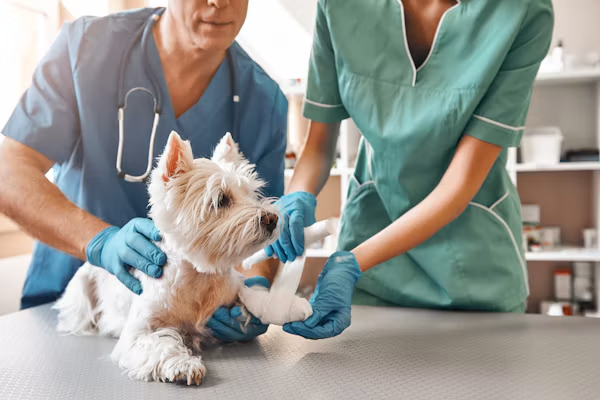
You may have noticed it in small ways at first. Your dog paces more at night. Your cat stops using the litter box. A once easy vet visit turns into shaking, hiding, or snapping. When that happens, it is easy to think the issue is “just behavior” or “just stress,” but the line between physical health and emotional health in pets is thin. A veterinarian in Vernal, UT can help identify whether pain, fear, routine changes, aging, or illness are influencing your pet’s behavior, and those changes often show up before a diagnosis does.
An animal hospital is not only a place for vaccines, surgery, or urgent care. It is often where the first signs of anxiety, fear, cognitive decline, or stress related illness are recognized. That matters because behavior problems can affect safety at home, strain the bond you have with your pet, and lead to delayed care when visits become too hard for everyone involved. The good news is that veterinary teams can help connect the dots, rule out medical causes, and guide you toward treatment that supports both body and mind.
Animal hospitals often spot behavioral health problems before anyone else
Behavior changes are easy to misread. A dog that growls when touched may be called aggressive, when the real issue is joint pain or an ear infection. A cat that hides all day may seem withdrawn, but chronic stress, urinary discomfort, or illness may be driving that behavior. In an animal hospital behavioral health setting, the goal is to look at the whole picture instead of separating medical care from emotional well being.
This is where veterinary care becomes more than symptom treatment. A full exam can uncover pain, hormone problems, neurologic changes, digestive issues, or age related decline that affect mood and behavior. Once those causes are addressed, many pets improve quickly. When they do not, the hospital can help with fear reduction plans, medication support, training referrals, and follow up that keeps the problem from getting worse.
You feel the impact too. Missed sleep, damaged furniture, tension between family members, and the worry that you are doing something wrong can wear you down. Pets and people affect each other’s stress levels every day. Research on the human animal bond supports that connection. The VA fact sheet on human animal partnerships outlines how companion animals can support emotional health, which also helps explain why behavior changes in a pet can hit so hard at home.
Behavioral care in an animal hospital protects both health and the human animal bond
When behavior issues are ignored, they rarely stay small. A fearful dog can become harder to examine, which means skipped appointments, delayed vaccines, untreated pain, and more stress during every future visit. A cat with untreated anxiety may stop eating well, overgroom, or develop repeat elimination issues. The behavior becomes the visible problem, but the deeper cost is reduced access to care.
That is why veterinary behavioral health matters. It helps create safer handling plans, calmer visits, and better outcomes for pets that would otherwise spiral into fear. Some hospitals use pre visit medication, quiet exam spaces, shorter wait times, or handling methods that lower distress. These changes are not extras. They can determine whether your pet gets examined at all.
There is also a practical side. Early intervention usually costs less than crisis care. A behavior consult, pain workup, or treatment plan now may prevent injuries, emergency visits, property damage, or surrender later. Virginia Tech’s overview of companion animal behavior and support resources reflects the same truth many owners learn the hard way. Behavior is tied to environment, health, and daily management, not stubbornness or spite.
Medical care and pet behavior support work better together
A strong treatment plan usually combines medical evaluation with behavior support. That may include lab work, pain control, diet changes, training adjustments, environmental enrichment, and in some cases medication for anxiety or compulsive behaviors. The point is not to label your pet. The point is to lower distress and make daily life workable again.
What if your dog only panics at the vet? That still matters. Vet specific fear can block basic care for years. What if your senior cat cries at night and seems confused? That may be linked to cognitive changes, blood pressure issues, thyroid disease, or sensory loss. What if your pet became reactive after surgery or illness? Recovery itself can alter behavior, especially when pain or fear was never fully resolved. A good animal hospital knows these are not side issues. They are health issues.
Common differences between waiting and getting professional help
| Situation | Waiting It Out | Working With an Animal Hospital |
|---|---|---|
| Dog growls when handled | Pain may worsen, bite risk can rise, exams become harder | Physical exam can check for pain, injury, or illness and create a safer handling plan |
| Cat urinates outside the litter box | Stress in the home grows, urinary disease may go untreated | Testing can rule out medical causes and support behavior based solutions |
| Pet panics during vet visits | Appointments get delayed or skipped | Fear reduction tools, pre visit medication, and low stress handling improve access to care |
| Senior pet seems confused or restless | Cognitive decline or illness may advance without support | Evaluation can identify age related changes and treatment options |
Clear steps can help you move forward today
Track the behavior in detail. Write down when it happens, what comes right before it, how long it lasts, and any physical signs like limping, appetite changes, vomiting, itching, or accidents. Patterns help a veterinary team see whether the issue points to pain, fear, illness, or environment.
Schedule a medical evaluation before assuming it is training alone. Many behavior problems have a health component. Root service care from an animal hospital can rule out hidden causes and keep you from wasting time on advice that does not fit the real problem.
Ask for a behavior focused plan, not just a diagnosis. You need practical next steps. Ask about handling changes, home setup, enrichment, medication options, referral to a trainer or behavior specialist, and what improvement should look like over the next few weeks.
Better behavior care starts with better medical support
If your pet’s behavior has changed, you are not overreacting, and you are not failing. These problems can be exhausting because they affect your routines, your home, and the bond you rely on every day. The connection between animal hospitals and behavioral health is simple. Pets do better when their physical and emotional needs are treated together. Early care gives you more options, less stress, and a better chance to help your pet feel safe again.
Reach out to a trusted animal hospital and ask for an evaluation that looks at both medical and behavioral causes.
https://similesbook.com/how-to-remove-mistakes-in-video-without-a-visible-cut/





1 thought on “The Connection Between Animal Hospitals And Behavioral Health”